

ICF Wall Systems: The Crew Shortage Solution
When structural integrity isn’t negotiable
— luxury coastal homes, commercial developments, critical infrastructure —
America's top builders trust our IBC-certified, engineer-approved ICF
hardware with 250 MPH wind ratings and lifetime performance guarantees.
This page covers structural hardware and coatings for ICF walls, including ledger connectors, joist hangers, buck bracing systems, and cementitious stucco for above‑grade ICF assemblies.
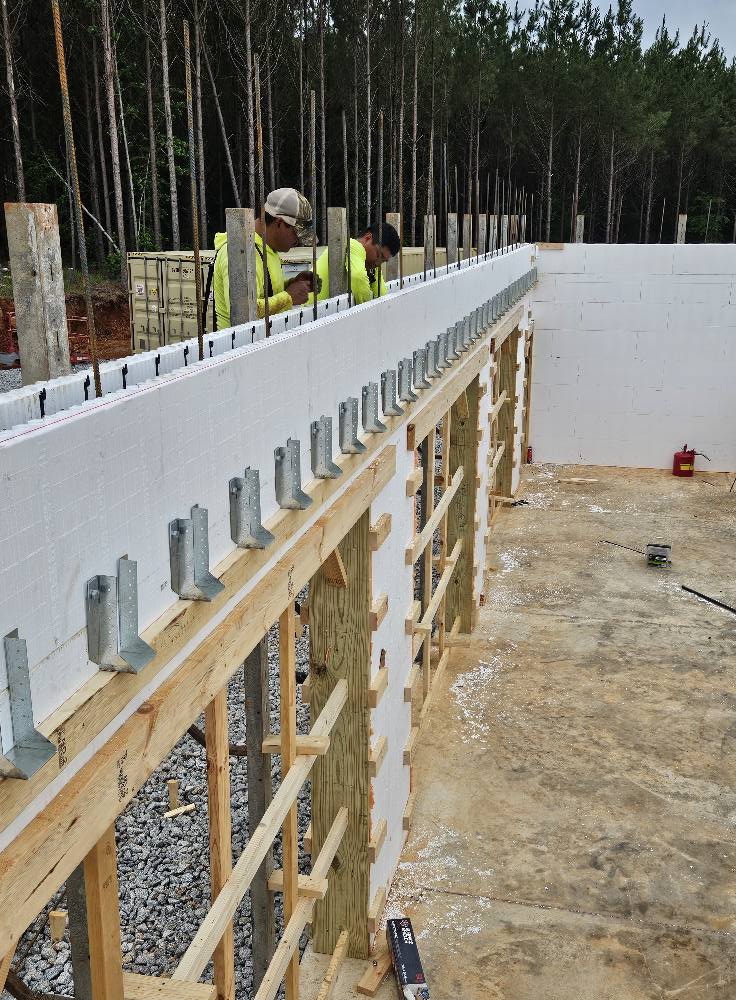

Simpson Strong Tie ICF Ledger Connector System - ICFVL®
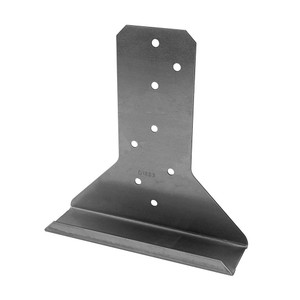
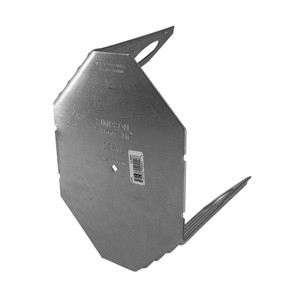
Position bottom of the ledger level to the chalk line and against the ICFVL
Attach with four #14 x 3/4", #3 drill-point screws (not provided)
All screws should be located at least 1/2" from the edge of the ICFVL
Space screws evenly
For use with a minimum 4" thick core
Snap a chalk line for the bottom of the ledger
Mark required on-center spacing
Use ICFVL (or 3D installation template) to mark kerfs locations
Cut kerfs as marked
Insert ICFVL flush to the face of the ICF
Pour concrete

Burmon ICF Wood Ledger Connectors
FBC Code Compliant updated with latest changes to the 2018 International Building Code (IBC)
Designed and engineered to resist winds up to 250 mph
No hand nailing required
Hurricane Anchor fixed into place over ICF and CMU wall
Significant cost savings to the total house build
Anchors hold trusses in position making bracing easier and safer

"When we first started...we were just cutting holes in the wall and putting double-ended J-bolts on them... it was just so time-consuming"
- Trevor Brown, Build with ICF Podcast
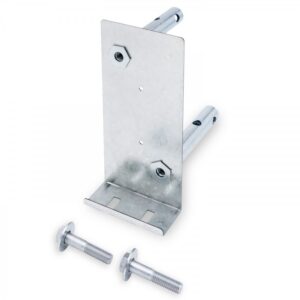
Burmon ICF Joist Hanger
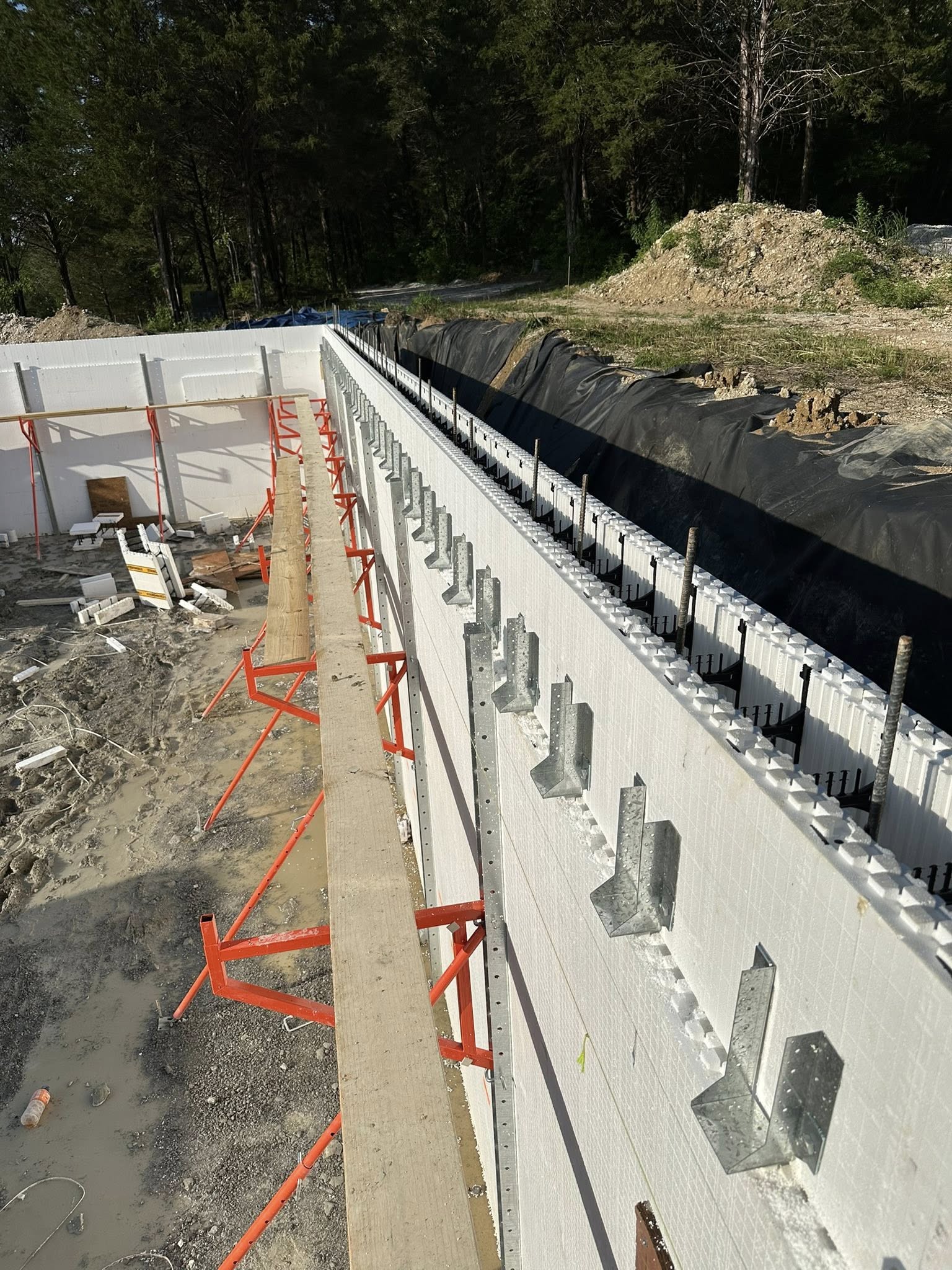
1.5" - 3.5" Brackets
Double threaded cylinder bolt assembly
No wood ledger required
What's Included in the shipment: Joist Hangers, spade drill bit, Bolts and Washers
Fits tightly in ICF Wall During Concrete Pour
"I've always designed things around... what it's like for the installer and how much easier can I make it for that person to do it."
- Michael, Founder of Burmon Building Products
Burmon ICF Buck Brace
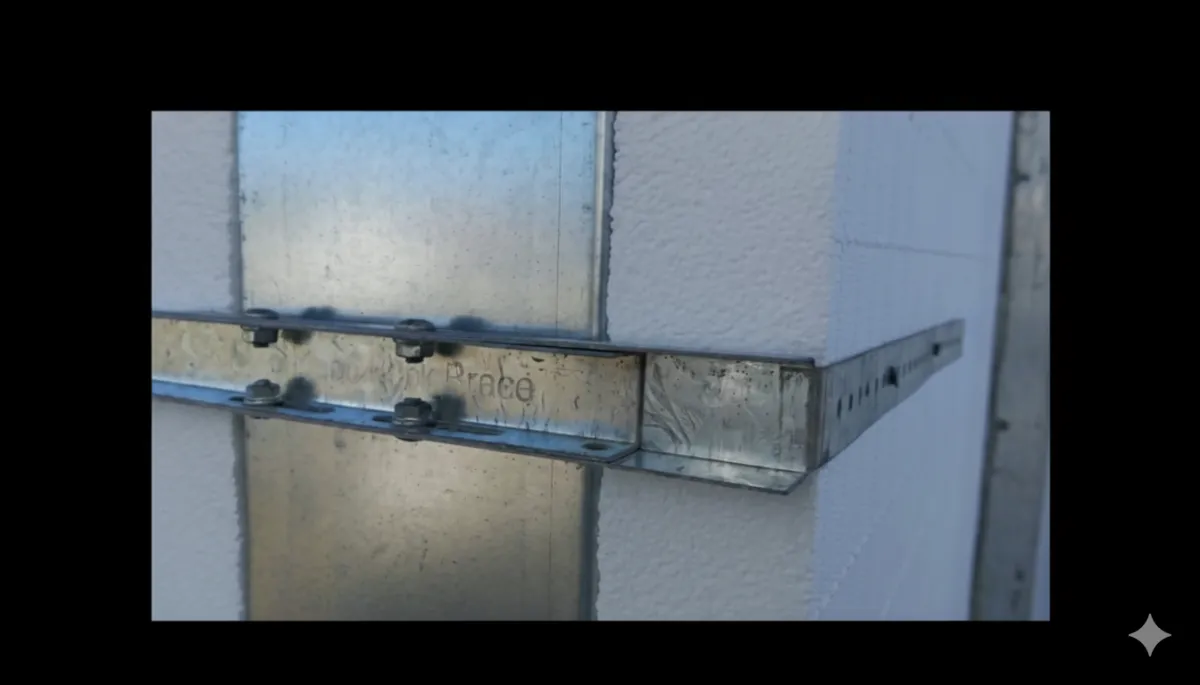
Faster and more convenient than cutting lumber on the job
Adjustable to suit most widths of 6 and 8 inch ICF blocks
Engineered for horizontal bracing
Cost effective
Less waste, more efficient
Made from 18 Gauge Galvanized Steel
"Reducing Blocked Openings on the Jobsite"
"Finally, contractors and tradesmen can move around the jobsite without being trapped in by bracing lumber"
- Burmon Building Products


Hulk Systems ICF Cementitious Stucco
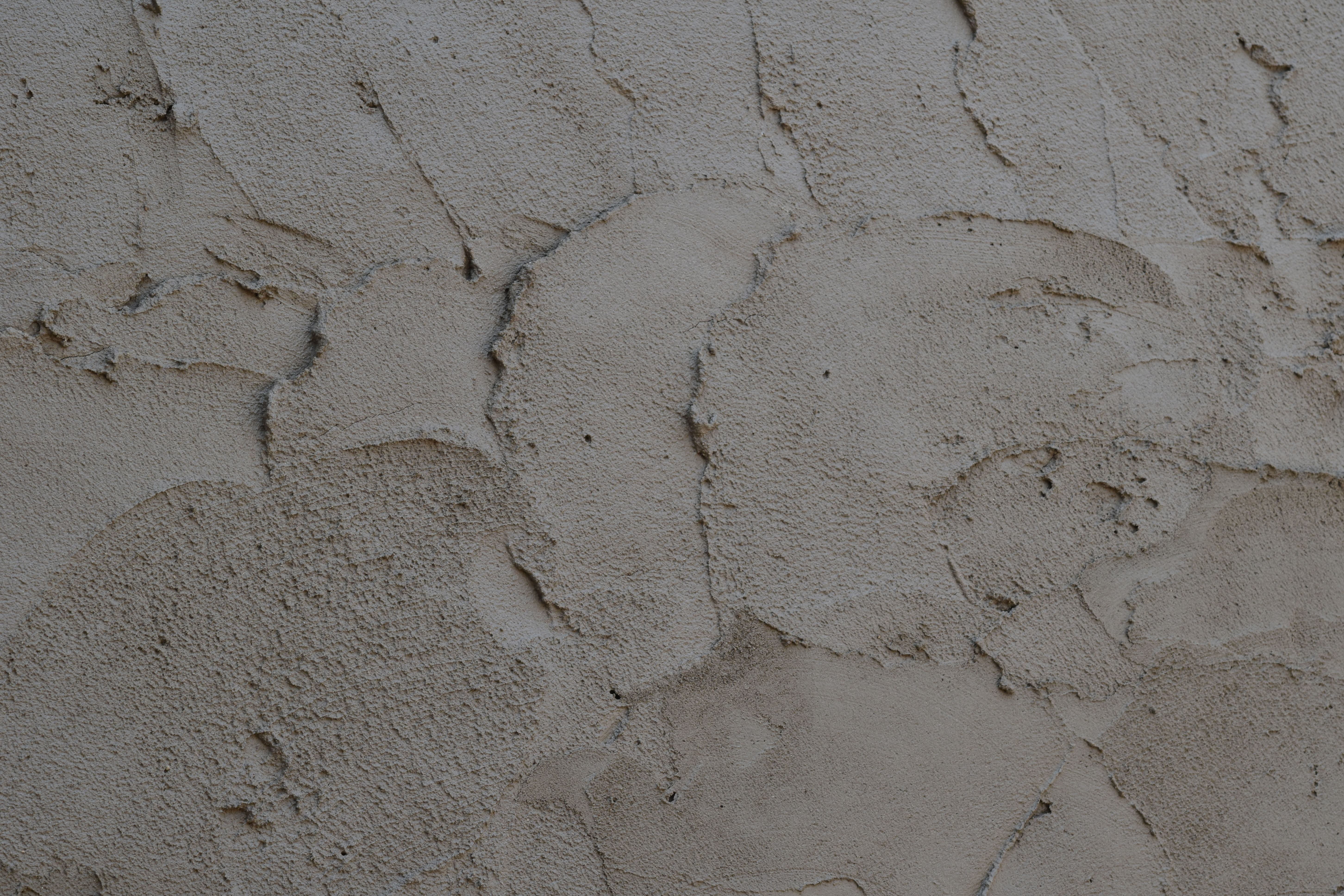
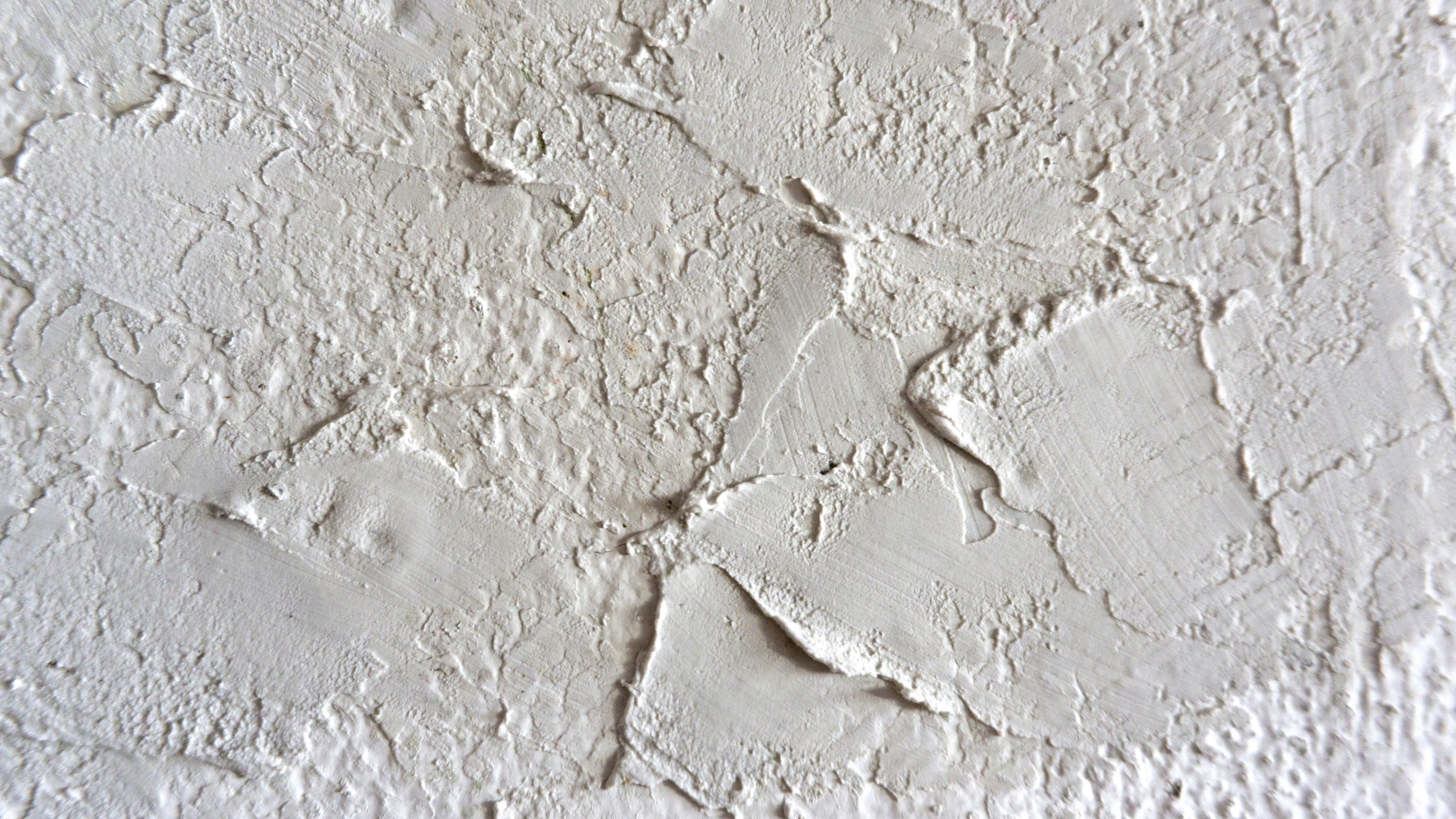
Easy to use and super strong
Prevents damage from Hail, Woodpeckers, termites and rodents.
3 Coat damage control:
-Apply First Coat
-Embed the SRT Fiberglass Textile
-Apply Final Coat
Type A fire coating with Fiberglass Inlet
-Fire Resistance of 1,112 °F
Waterproof
4x as strong as the leading systems at 1/4 of the thickness and weight

" the switch to Hulk was easy.. my contractors are no longer breathing hazardous fumes and requiring hazmat suits on the job. "
Hulk Systems Above Ground ICF Stucco System
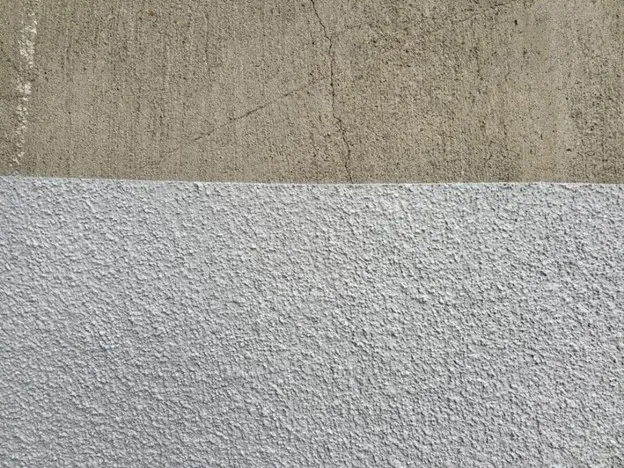
This coating can be custom tinted
Texture sprayer or hopper produces an excellent stucco-like finish
"Eco-Friendly, High-Performance, Cost-Effective"
- Malcom, Sideland Developments Limited
Frequently Asked Questions
Question 1: What is the R-value of ICF walls?
ICF walls typically achieve an effective R-value of R-22 to R-28, depending on foam thickness and core size. Most systems use 2.5 inches of EPS foam per face on a 4–8-inch concrete core—comfortably exceeding code minimums in all U.S. climate zones and most Canadian provinces.
The continuous foam on both faces eliminates the thermal bridging that reduces the effective R-value of wood-frame walls with cavity insulation. Combine that with the thermal mass of the concrete core—which absorbs and slowly releases heat—and ICF wall assemblies perform even better than the R-value number indicates. This makes a meaningful difference in year-round energy bills, especially in climates with large temperature swings.
Question 2: How thick are ICF walls?
A standard ICF wall is 9 to 12 inches thick overall, including foam faces and the concrete core. Core widths typically run 4, 6, or 8 inches. Finished wall thickness increases slightly once interior and exterior cladding is applied.
Total wall thickness is a design consideration: it affects window and door rough opening depths, electrical chase routing, and window sill depth. Architects familiar with ICF account for these dimensions from the start. Thicker cores increase concrete volume, which can improve structural performance and sound attenuation. Foam face thickness varies by manufacturer but is typically 2.5 inches per face on standard systems.
Question 3: Can ICF walls be finished the same way as conventional walls?
Yes. ICF walls accept standard interior and exterior finishes. Inside, drywall attaches to furring strips or specialty fasteners embedded in the foam. Outside, stucco, brick veneer, vinyl siding, fiber cement, stone, and other cladding systems all work with ICF using manufacturer-approved attachment methods.
Finishing ICF doesn't require completely new skills. Electricians route wiring through chases cut into the foam; plumbers work similarly on interior walls. Drywall screws through furring into the foam face is the standard interior approach. Exterior finishes attach via manufacturer-recommended methods depending on cladding type. Your ICF contractor and architect can provide finish specifications suited to your design.
Question 4: How is rebar placed in ICF walls?
Rebar is placed horizontally and vertically within the concrete core before the pour. Horizontal rebar is added as each course of forms is stacked; vertical rebar is placed before or during assembly. Size and spacing are engineered based on structural loads, wall height, and local code requirements.
Most ICF form systems include built-in web guides that position rebar at consistent, code-compliant heights as each course is stacked—making placement faster and more consistent than conventional formwork. A structural engineer should specify the rebar schedule for any permitted project. This is standard practice; ICF is not exempt from engineering review simply because it uses a proprietary form system.