ICF Basement & Foundation Systems
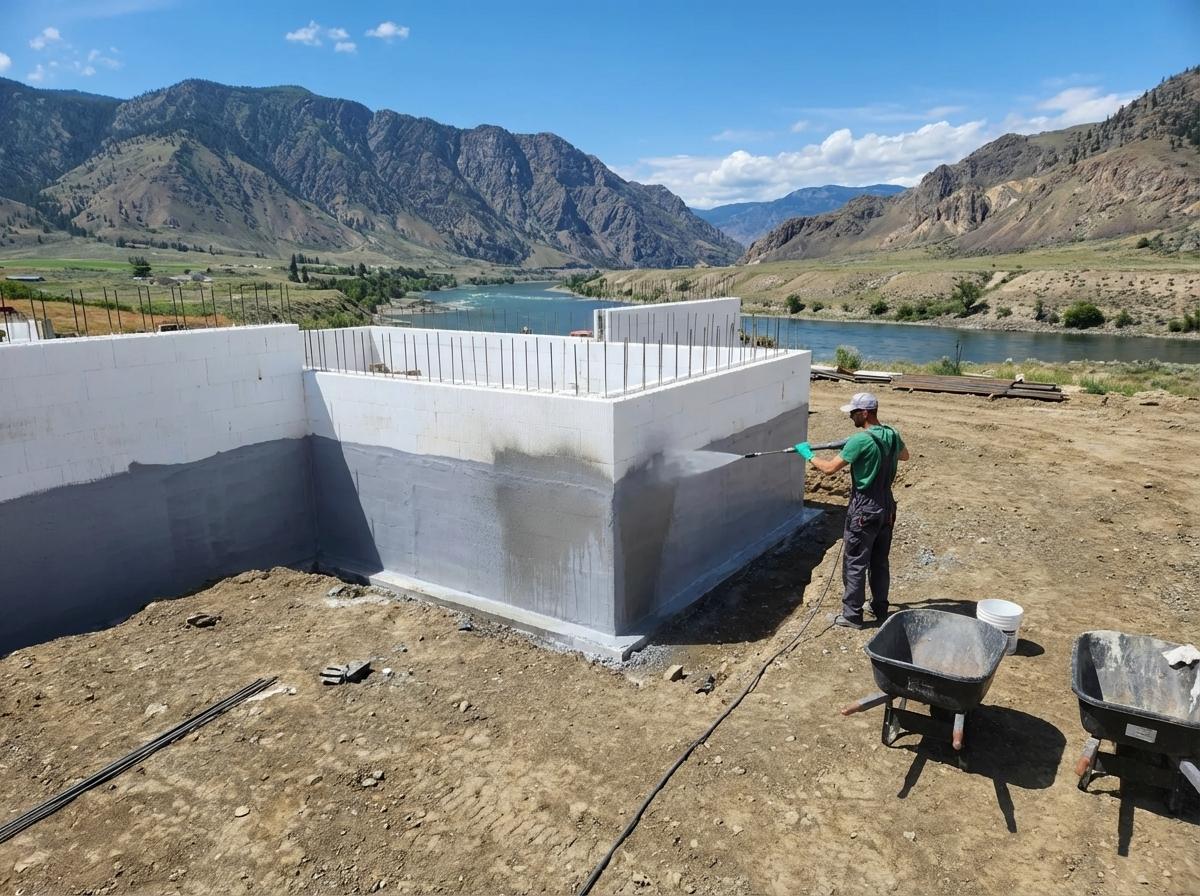
Your Foundation is garbage if you don't protect it.
ICF walls stop moisture at the wall. But only if the waterproofing does its job.
The right membrane bonds directly to EPS foam without degrading it.
This produces a seamless barrier that holds up through backfill pressure,
freeze-thaw cycles, and decades of ground contact.
Peel-and-stick and spray-applied systems eliminate the guesswork:
no primer, no special conditions, no extra labor.
Pair either with a drainage board and you're actively relieving hydrostatic pressure — not just hoping the membrane holds.
This isn't a small detail.
It's structural protection that starts at the foundation and lasts the life of the building.
Why ICF Foundations Need a Dedicated Waterproofing Membrane
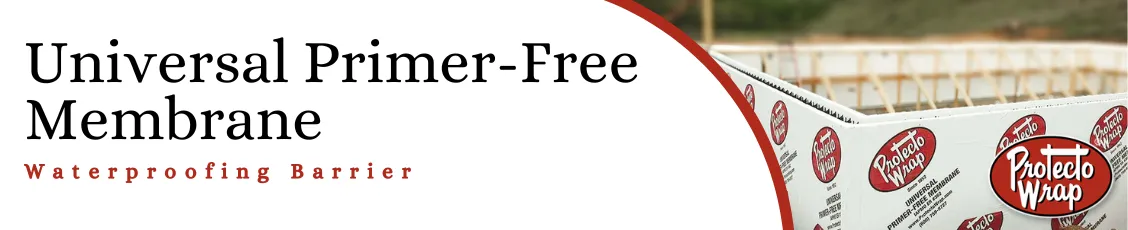
The Universal Primer-Free membrane allows contractors to move faster with Insulated Concrete Forms.
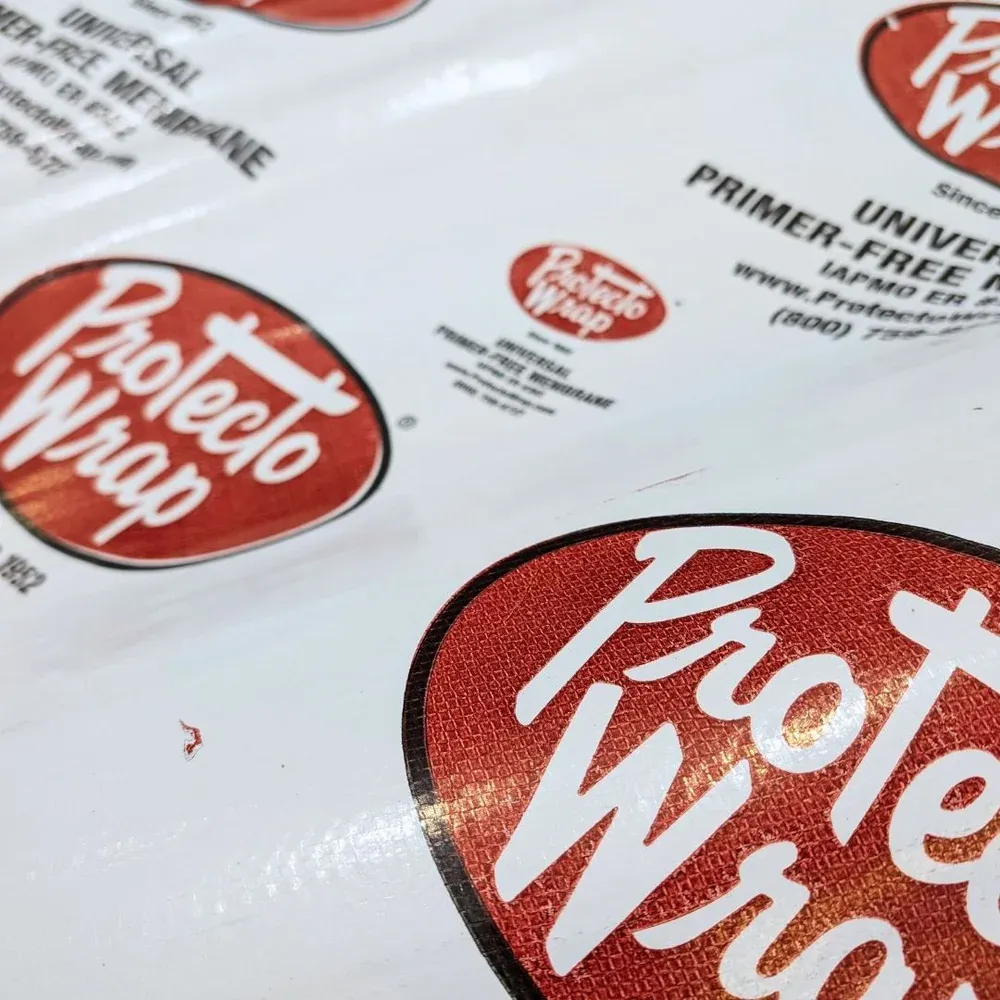
Universal Primer-Free Membrane
36" x 50' Roll, 150 sq. ft per roll
"Class A" Fire Rated
No waiting on primers to dry.
In service temperature up to 300°F
Install down to -20°F (-28°C)
6-month UV exposure
Compatible with nearly all other construction products
10-year warranty
Proudly made in the USA
"No More Waiting Around For Primer to Dry"
"Protecto Wrap has a full product line of everything we need on a job site."
- ICF Contractor

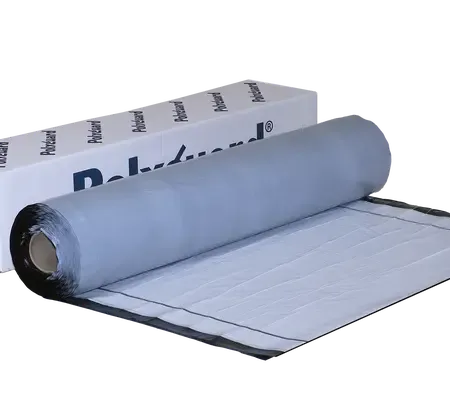
The WM40 (40 mil) peel and stick membrane is specifically designed and engineered for use with Insulated Concrete Forms.
WM 40 Install Video
Peel and Stick Membrane
Built for ICFs – 40 mil membrane
Strong, flexible, watertight barrier
Fast installation – peel and stick application
Superior bond – when combined with water-based primer
36" x 66.7' Roll, 200 sq. ft per roll
Average of less than 8 labor hours for 2,000 sq ft foundations

"Successful Install"
"Polyguard is a well-established company with great product support.
We trust them with the most important aspect of our structure - keeping the water out."
- ICF Contractor
Polyguard Water-Based Liquid Primer
A water-based primer increases molecular adhesion between PolyGuard membranes and ICF foam, promoting durability and system reliability.
The Toughest Sealants & Barrier Systems For Every Construction Project
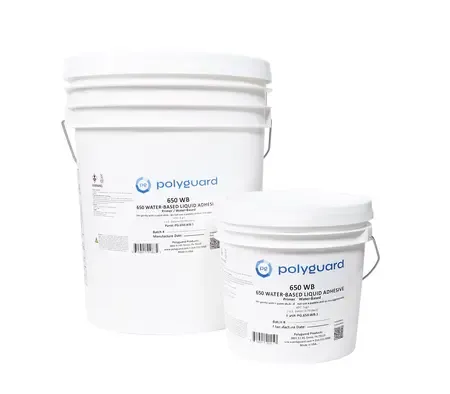
Liquid Primer
Designed for optimal penetration on porous concrete, improving membrane attachment and reducing delamination risk
One-hour tack time accelerates job progress.
Provides strong insurance policy for the Polyguard Peel and stick membrane
Superior bond – when combined with Polyguard M40
5 gallon bucket = 1,000 SF coverage
"Successful Install"
"Polyguard is a well-established company with great product support.
We trust them with the most important aspect of our structure - keeping the water out."
- ICF Contractor
No other competitor has a system as strong, durable, and easy to use for ICF and SIP foundations.


Hulk Systems offers a liquid waterproofing membrane that can be roller- or spray-applied to block water penetration on ICF walls
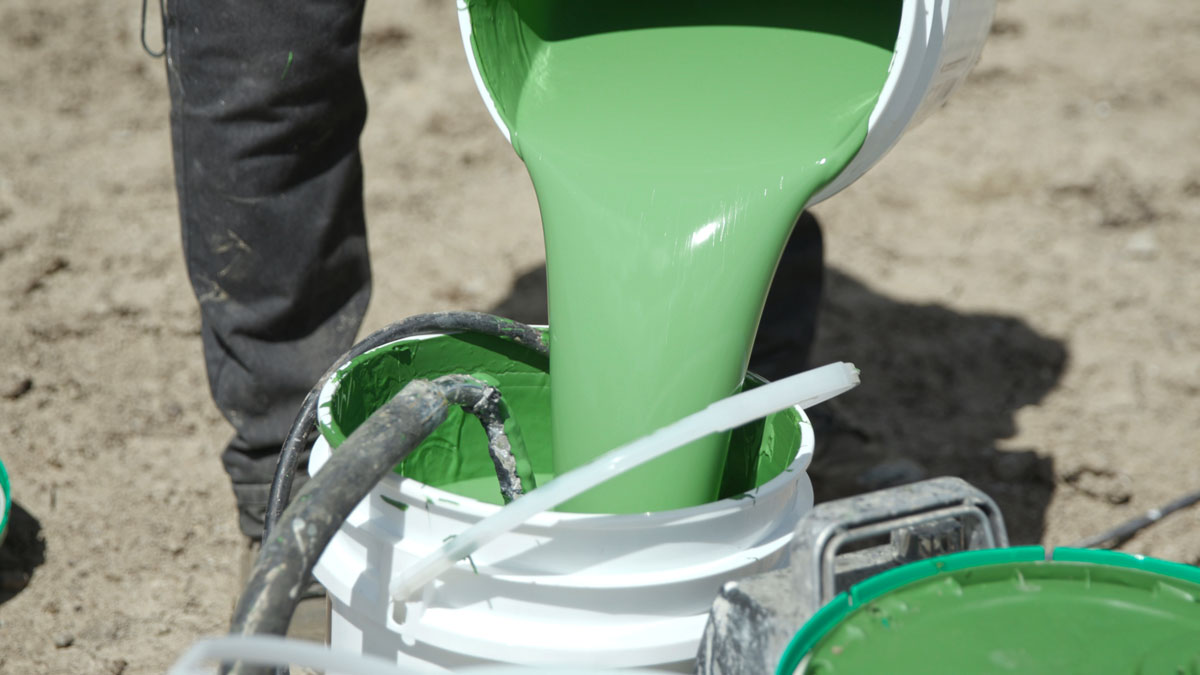
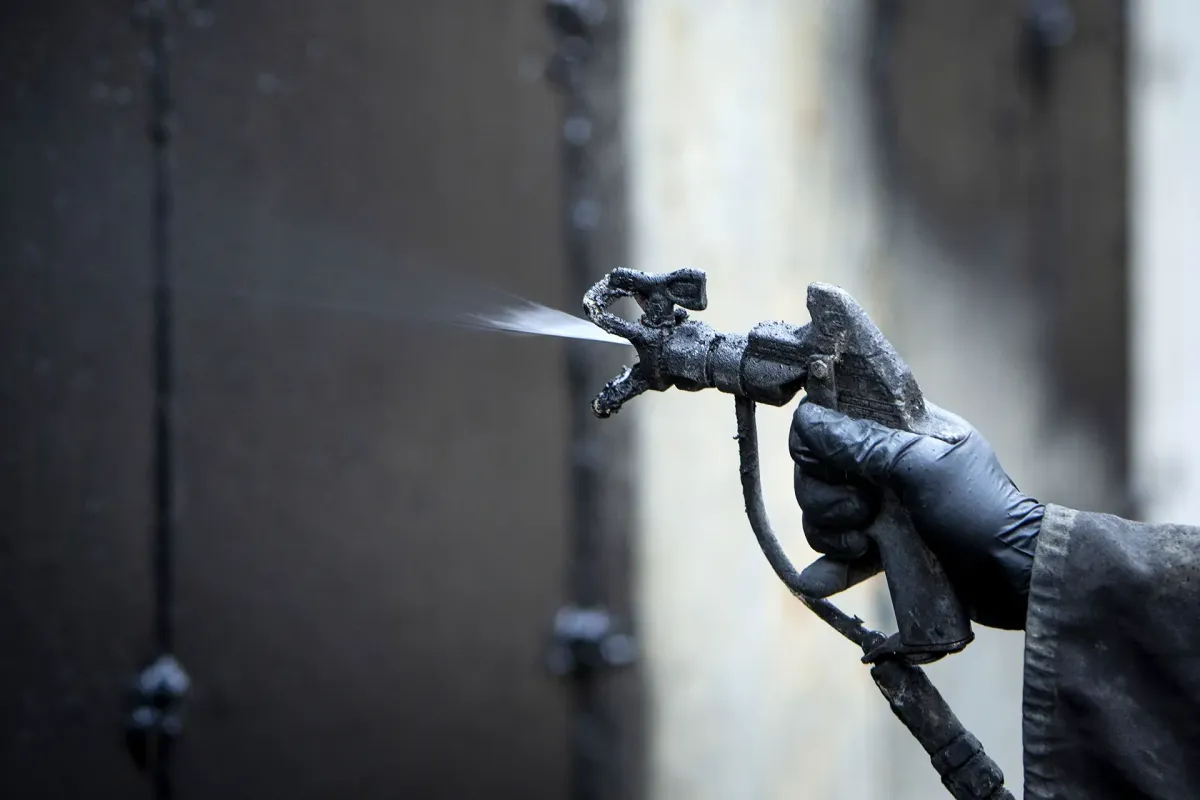
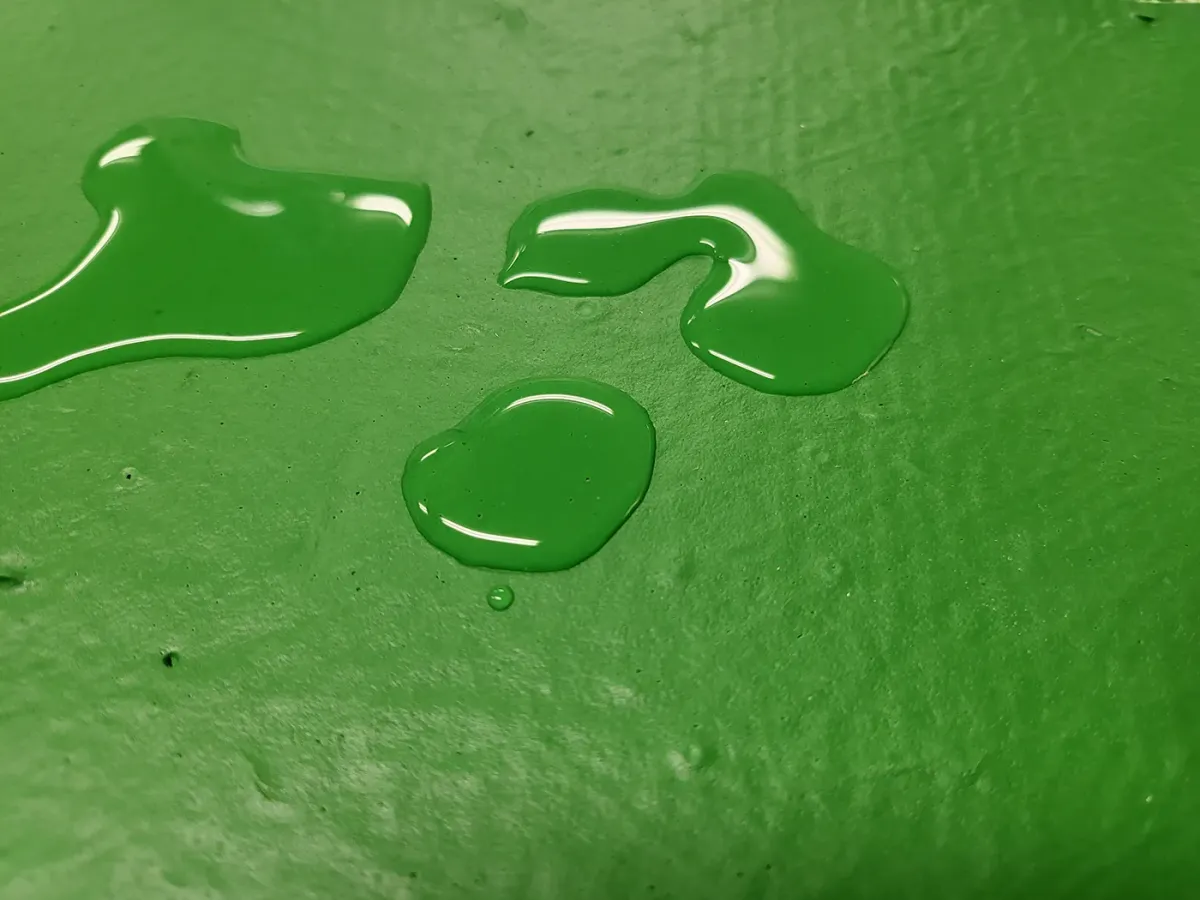
Spray on Acrylic Waterproofing
Fire-rated. Flexible. System-Built
Color Options: grey, black, white, green
Easy Application
Product is not damaged or compromised by outdoor sunlight exposure
No 30-day UV exposure limit.
Acrylic formula specifically tested for compatibility with EPS foam
Flexible moisture barrier that helps manage foundation movement and resists freeze-thaw damage.
Bonds to both foam and concrete substrates
Easy cleanup of hoses and spray guns after the job
Absence of obnoxious fumes
"Hulk offers solutions"
"ICF and SIP foundations were projects that posed a unique challenge. We would typically avoid these jobs because there was no available system that would provide adequate protection. With Hulk Systems, I can now offer a solution that I feel confident will be right for the customer."
- TREVOR KIRWAN - Treval Foundation Spray, Calgary AB
Frequently Asked Questions
Question 1: Can ICF be used for foundations?
Yes. ICF is widely used for basement walls and below-grade foundations. It provides continuous insulation on both sides of the concrete wall, creating a warmer, drier basement compared to bare poured concrete. ICF foundations are structurally strong and more resistant to moisture intrusion than uninsulated concrete walls.
An ICF foundation wall performs double duty: it forms the structural wall and insulates it simultaneously. Traditional poured concrete foundations require separate rigid foam board added after the fact. ICF integrates insulation from the start—particularly valuable for finished basements where comfort and moisture control matter. ICF foundation walls also tend to reduce condensation issues common with uninsulated concrete in humid climates.
Question 2: How strong are ICF foundations compared to poured concrete?
ICF foundations use the same reinforced concrete as traditional poured foundations and can meet or exceed conventional structural requirements. The foam forms do not reduce structural integrity. Concrete mix design, rebar placement, and pour quality determine strength—identical to any poured concrete wall system.
The structural element of an ICF foundation is the concrete core; the foam serves as permanent form and insulation. Engineers specify rebar and concrete mix based on soil conditions, loads, and local code—just as with any poured wall. Building officials across the U.S. are familiar with ICF systems, and permits are routinely issued for residential and commercial ICF foundations.
Question 3: Do ICF foundations require waterproofing?
Yes. ICF foundations still require proper waterproofing and drainage on the exterior, just like any below-grade concrete wall. The foam alone is not a waterproofing membrane. A waterproofing system—membrane or coating, drainage board, and perimeter drain—must be installed before backfilling.
EPS foam is moisture-resistant but not a waterproofing system. Standard practice calls for a waterproofing membrane or damp-proofing coat on the exterior face of the ICF wall, followed by a drainage layer and proper footing drain. Local soil conditions, water table depth, and intended use (finished vs. unfinished basement) all factor into the waterproofing specification. Work with a qualified contractor and engineer familiar with local conditions.
Question 4: How much does an ICF foundation cost compared to a standard poured concrete foundation?
ICF foundations typically cost 10–20% more than a comparable poured concrete foundation with separate insulation added. The premium narrows when you account for insulation that would otherwise be installed separately. Labor rates, region, and project size significantly affect the final comparison.
The premium for ICF foundations comes from the cost of foam forms, partially offset by eliminating separate rigid foam installation. An insulated foundation contributes to lower heating and cooling costs—particularly relevant for finished, conditioned basements. As with all ICF cost comparisons, local conditions matter. ICF Near Me recommends getting quotes from experienced local ICF installers for an accurate number.
Foundation Stage / Footings & Monopour
FAB-FORM INDUSTRIES
Fast-Foot Footings
Why is Fast-Foot great for your project?

100 x's lighter than lumber. Adapts to uneven ground. Perfect for steps, deep footings. Prevents ground moisture wicking up into concrete.
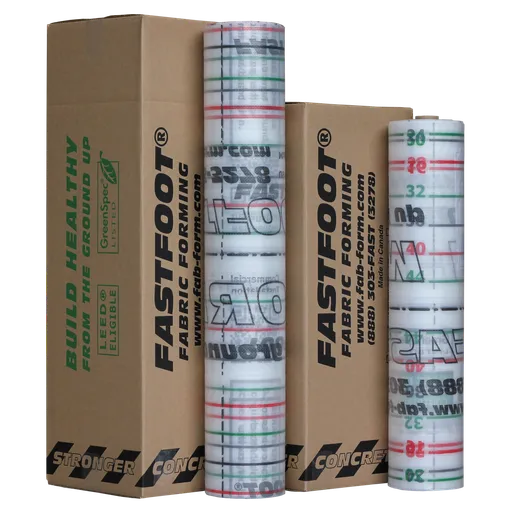
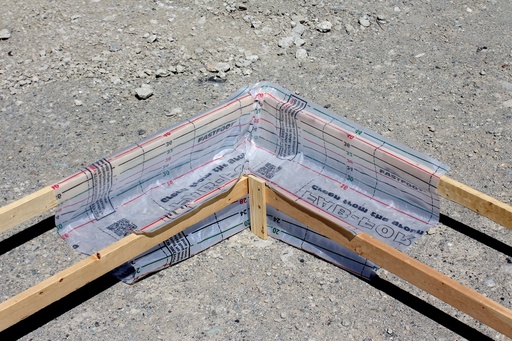
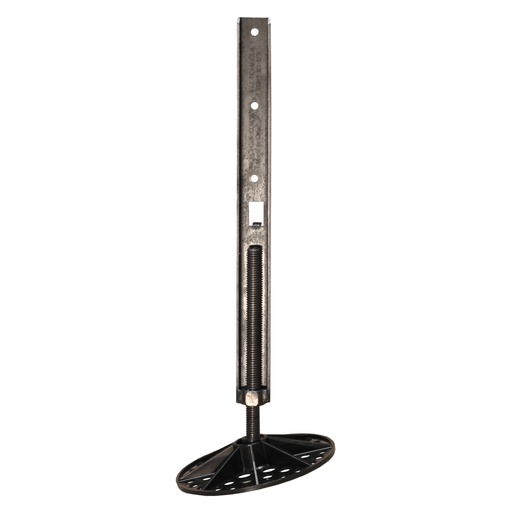
FastFoot Install Video
Fast- Foot Footings
Fab-Form Fastfoot 50, 62 and 74 inch Rolls
(sold in boxes of 4)
High density polyethylene (plastic)fabric
Reduces concrete volume by up to 30%, particularly in variable soil conditions
Eliminates the need for form stripping
Saves 2+ labor hours per footing
Delivers uniform finish acceptable for direct waterproofing membrane application
Weather-independent installation supports build schedules even during rain or snow
"Fastfoot offers solutions"
"Fab-Form’s FastFoot uses engineered reinforced fabrics that retain concrete and drain excess water. Verified field trials show concrete savings can reach 25–30% compared to traditional wood formwork, especially on large residential pours."
Fast-Foot Monopour
Why is Fast-Foot great for your project?
Costs are reduced when the concrete truck can pour the footings and the wall at the same time.
This process is known as the "Monopour"
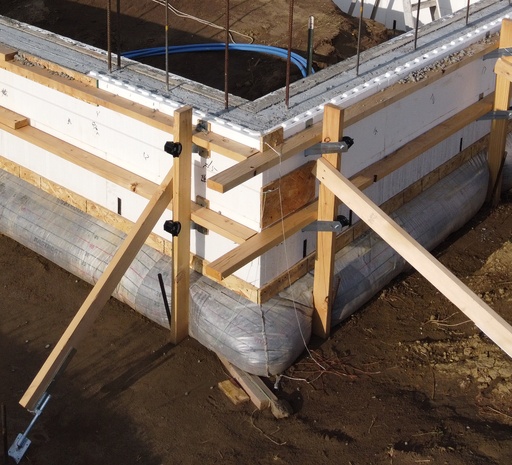
Fast- Foot Monopour (MP)
Eliminates the cold joint between the footing and the ICF wall
Fab-Form Fastfoot 50, 62 and 74 inch Rolls
(sold in boxes of 4)
High density polyethylene (plastic)fabric
Designed for mono-pouring the footing and wall at the same time.
Reduces concrete volume by up to 30%, particularly in variable soil conditions
Eliminates the need for form stripping
Saves 2+ labor hours per footing
Delivers uniform finish acceptable for direct waterproofing membrane application
Weather-independent installation supports build schedules even during rain or snow
"Fastfoot offers solutions"
"With the MP System, the strength and light weight of the ICF block forms the footing while the MP Supports hold the ICF block in position so the bottom of the ICF block is at the exact height of the concrete footing.
Fastfoot MP does not require labor to pound and strip stakes and does not create a cold joint between the footing and wall.